
Android users have installed apps outside Google Play for years. Still, the process has often felt clunky. People usually need to download an APK, approve installation from an unknown source, work through several security warnings, and trust that the file is safe.
That experience starts to change in the United States on July 22, 2026.
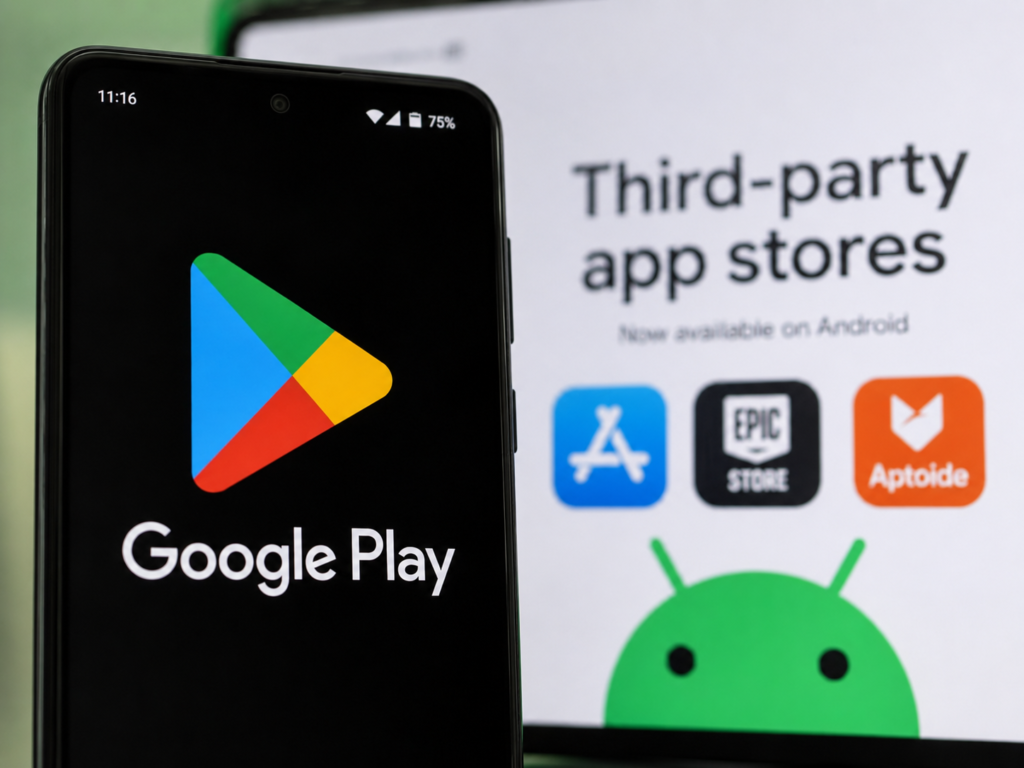
Google Play will let approved third-party Android app stores access eligible parts of its app catalog. Rival stores can display familiar app listings and help users discover software without starting with an almost empty marketplace.
At first glance, this sounds like Google is fully opening Android to competing stores. The real change is more limited. Android already supports sideloading, and third-party stores already exist. What is new is the formal catalog access that approved U.S. stores can receive.
Downloads for apps found only through the Google Play catalog will still pass through Google Play. Google will keep its role in the installation process, and its service fees can still apply.
Even so, this is one of the largest changes to Android app distribution in years. It can give users more store choices and give developers new ways to reach people.
What Changes on July 22, 2026
The Play Catalog Access Program begins in the United States on July 22. Approved Android marketplaces will be able to show eligible Google Play listings inside their own stores.
Those listings can include:
- App and game names
- Icons and promotional images
- Store descriptions
- Screenshots and videos
- Developer information
- App permissions
- Version details
A user might browse a game inside a rival store, read its description, check screenshots, and start the installation from there. Still, Google Play will complete the download for apps supplied through its catalog.
So, the new system does not remove Google from the process. It gives third-party stores a stronger discovery layer and access to a much larger selection of apps.
This distinction matters. Some headlines suggest Android is opening every part of Google Play to competitors. That is not what is happening. Google still controls the download path for catalog-only apps and sets the terms that participating stores must follow.
Android Already Allows Third-Party App Stores
Android has always been more open than many people realise. Users can already install marketplaces such as Amazon Appstore, F-Droid, Samsung Galaxy Store, and several gaming stores.
They can download individual APK files too.
The issue has never been whether Android allows outside apps. The larger problem is trust and convenience.
A normal user can find APK installation confusing. The phone displays warnings, permissions need to be changed, and updates may arrive through a separate system. It is easy to understand why many people stay with Google Play.
The July program tackles part of that problem. A new store can show recognised Android apps from the start rather than spending years signing direct agreements with developers.
In practice, this can make a rival store feel useful on its first day.
Developers Can Control Where Their Apps Appear
Google Play developers will have some control over third-party store distribution. Through Play Console, they can decide how their eligible app listings appear across participating marketplaces.
The available choices include:
- Sharing eligible listings with every participating store
- Managing access for each store separately
- Blocking listings from all participating third-party stores
Developers who make no choice will have eligible U.S. listings shared by default from July 22.
That default setting can help new stores build broad catalogs quickly. At the same time, it may create concerns for developers who care closely about where their app appears.
A developer may not want its app shown inside a store with weak moderation, poor customer support, or a very different audience. Google states that third-party stores can set their own content policies, so the experience may vary from one marketplace to another.
From a user’s point of view, this means a familiar Play listing does not guarantee that the surrounding store follows Google Play’s rules.
Rival Stores Must Meet Strict Requirements
Google is not opening catalog access to every APK website. A participating store must operate as a real marketplace and meet several business, safety, and technical requirements.
The company behind the store must be registered and must serve users in the United States. It needs clear policies, customer support, update controls, consent screens, and procedures for harmful or illegal content.
Participating stores must offer parental controls too. They must respect intellectual property rights and present app information accurately.
Google will charge a $5,000 upfront fee for security and policy reviews. The same fee applies each year for continued access.
A store must keep its malware or potentially harmful app installation rate below 1% across a rolling 30-day period.
These rules create a high entry cost for smaller projects. Still, they can help separate recognised marketplaces from random APK sites that offer little protection.
What Android Users May Notice
Most Android phones will not suddenly look different on July 22. Google Play will remain installed, existing apps will keep working, and users will not need to select a new default store.
Instead, changes will appear gradually as approved companies launch compatible marketplaces.
The first serious competitors may focus on areas where Google Play feels weak. Gaming is one clear example. A game store can offer stronger recommendations, cross-platform accounts, loyalty rewards, community features, or links to PC and console libraries.
Other stores may focus on:
- Open-source Android apps
- Privacy-focused software
- Apps for children and families
- Productivity tools
- Independent mobile games
- Discounted apps and subscriptions
- Apps built for certain devices or services
In my view, gaming companies have the best chance of making this work. They already have millions of users, payment systems, social features, and large game catalogs. A dedicated Android marketplace can connect those services in a way Google Play often does not.
Still, catalog size alone will not win people over. Users need a clear reason to install another store. Better prices, stronger discovery, exclusive apps, or simpler account management could provide that reason.
App Prices May Change, but Lower Fees Do Not Guarantee Savings
More store competition can put pressure on app prices and developer fees. A third-party marketplace may offer cheaper direct distribution, discounts, reward points, or different payment terms.
Developers in the United States can use alternative billing methods under current Google Play rules. Google separates its service fee from the billing fee. Google Play Billing carries an extra 5% billing charge, so developers using another payment provider can avoid that part of the cost.
That does not mean every app will become cheaper.
A developer can keep the extra margin, spend it on promotion, or pass part of the saving to users. Each company will make its own decision.
For that reason, buyers should compare more than the listed price. Refund policies, family sharing, subscriptions, cloud saves, account recovery, and customer support matter too.
A game that costs one dollar less may not be the better deal when progress cannot transfer between devices or refunds become difficult.
Security Will Matter More Than Ever
More choice sounds good, but it gives users more responsibility. A professional-looking store can still have poor moderation or weak privacy rules.
Before installing a third-party Android marketplace, users should check:
- The company that operates the store
- The website or source used to download it
- The permissions it requests
- The way it handles updates
- Its malware scanning process
- Its refund and subscription rules
- Its parental controls
- Its customer support options
Google Play Protect can scan Android phones for harmful apps from outside Google Play. Keeping it active is a sensible step.
Phone security updates matter too. An app store has deep access to the device, so installing one from an unknown website carries more risk than downloading a normal app.
For most people, a store operated by a recognised company will be safer than an unfamiliar APK repository.
Why This Change Matters for Android
Android has promoted openness as one of its main advantages over Apple’s iPhone platform. Yet Google Play has kept a powerful position through preinstallation, user trust, developer reach, billing, and app discovery.
The new program lowers one of the hardest barriers facing a rival marketplace. Competing stores can present a much broader range of familiar apps without negotiating with every developer first.
From my point of view, this is a positive move for Android. Still, it is controlled competition rather than a fully open marketplace.
Google keeps control over catalog access. It sets the security rules, collects annual fees, and completes downloads for Play catalog apps. Its service fees remain part of the system too.
That structure can frustrate companies seeking total independence. But a completely unrestricted system could expose users to more malware, fake apps, and payment scams.
The new model sits somewhere in the middle. Users gain more options, yet Google keeps several safety controls in place.
The July Rollout Is Limited to the United States
The July 22 launch covers third-party Android app stores serving users in the United States.
Android owners in Europe, Asia, and other markets should not expect the same catalog-sharing system on that date.
Google has discussed a separate Registered App Stores program for markets outside the United States. That program is expected to arrive with a major Android release by the end of 2026.
Its purpose is different. It focuses on making qualified stores easier to install. The U.S. system focuses on access to Google Play listings under court-ordered rules.
For now, the American rollout will act as the first major test. Its success will depend on how many stores participate, how many developers opt out, and whether users trust the new marketplaces.
What Happens After Launch
July 22 marks the start of the program, not the point where every rival store becomes available.
Participating companies still need approval, technical connections, catalog tools, support teams, payment systems, and update controls. Building a reliable app marketplace takes far more work than copying a list of app names.
The key question is whether any competitor can create an experience people prefer over Google Play.
A rival store can attract users with better recommendations, lower prices, stronger privacy controls, or deeper gaming features. Yet Google Play already has a huge advantage. It comes preinstalled on most Android phones, and people already trust it with their purchases.
For users, this change creates more real competition. Developers gain new distribution choices, but they must think carefully about where their apps appear. Google now faces more pressure to improve Play discovery, store quality, and developer terms.
Android will not feel completely different on July 22. Still, the app store market may start to change in ways that become much more visible over the next year.