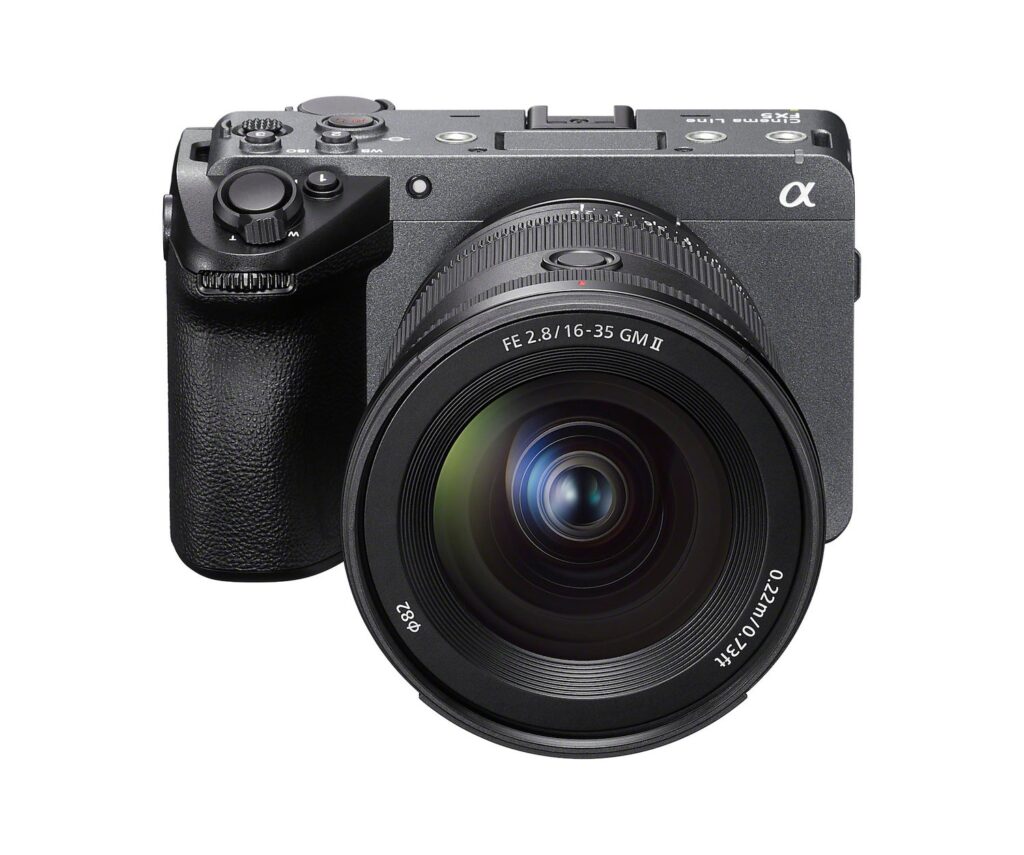
Sony FX5 review
This review measures the Sony FX5 against the full 27-spec sheet we track for cameras, comparing it like for like with the 55 other models in our database. It earns a VS Score of 53 out of 100 — the weighted result of every verified specification measured against the class average.
On the spec sheet it is strongest in video and weakest in performance. Its clearest single advantage over the class average: 283,057.14 more max ISO — 409,600 vs 126,542.86 (avg). None of our retail partners currently lists the Sony FX5, so availability may be limited; a missing price never affects the VS Score.
Category strengths
Where the Sony FX5 beats the average
- 283,057.14 more max ISO ?409,600 vs 126,542.86 (avg)
- 47.54 fps more max frame rate (4K) ?120 fps vs 72.46 fps (avg)
- 116.21 shots more battery life ?600 shots vs 483.79 shots (avg)
- Has animal / eye AF ?
- Has weather sealing ?
- Has 10-bit video ?
- Has dual card slots ?
- Has log profile ?
- Has in-body stabilization ?
- Has articulating screen ?
Where the Sony FX5 trails the average
- 17.82 MP less resolution ?16 MP vs 33.82 MP (avg)
- 20.83 fps less continuous shooting ?10 fps vs 30.83 fps (avg)
- 103.51 less autofocus points ?759 vs 862.51 (avg)
- 79.2 p less max video resolution ?2,880 p vs 2,959.2 p (avg)
- 14.64 g more weight ?750 g vs 735.36 g (avg)
Editor’s note
The FX5 is the camera Sony's Cinema Line users have been asking for, and it arrives with two features that were previously reserved for far more expensive bodies: open gate recording and internal X-OCN RAW. It is built around a newly developed fully stacked 16.6MP full-frame sensor and the BIONZ XR2 processor with a dedicated AI unit.
The specification reads like a working documentary and drama tool. Recording runs to 5K at up to 60fps, 4K at up to 120fps and 1080p at 240fps, with more than 15 stops of latitude in S-Log3 and three selectable base ISOs at 800, 4000 and 12800 — the last of which makes low-light shooting genuinely practical rather than merely possible. There is 5-axis in-body stabilisation, 759 phase-detection autofocus points covering 94% of the frame, dual card slots, weather sealing, an articulating touchscreen and both microphone and headphone connections, all in a 750g body with mounting points across the chassis.
The caveats are about what is not included and who this is for. There is no built-in viewfinder — Sony sells a separate DVF-EL1 OLED finder — and the XLR handle unit that enables 32-bit float audio is also an optional extra, so a working configuration costs more than the $4,899 body price. At 16.6MP this is not a stills camera in any serious sense; the resolution exists to serve video readout, not photography. And it ships from mid-August 2026, so availability and real-world reviews are still thin.
Buy it if you shoot video professionally, want RAW and open gate in a compact body, and already work in Sony's E-mount ecosystem. Skip it if you need stills resolution, want a viewfinder in the box, or are looking for a hybrid camera — the FX5 is a cinema tool first.
Specifications
Quality bars are generated automatically against 55 other cameras.
Sensor
A higher megapixel count captures more detail.
The sensor format (e.g. Full-frame, APS-C).
The sensor technology (e.g. BSI-CMOS, stacked).
A higher native ISO ceiling helps in low light.
The native ISO sensitivity range of the sensor.
IBIS steadies handheld photos and video.
Performance
A higher burst rate catches fast action.
More AF points give wider, more reliable focus coverage.
Automatically tracks eyes for sharp portraits and wildlife.
Video
The highest video resolution the camera can record.
Higher 4K frame rates enable smoother slow motion.
Captures richer colour for grading.
Flat Log footage preserves dynamic range for editing.
A higher bitrate records more detail with fewer compression artefacts.
A 3.5mm mic jack for better audio when filming.
Monitor audio while recording through a headphone jack.
Body & handling
A lighter body is easier to carry all day.
Resists dust and moisture for shooting outdoors.
A flip-out screen helps with vlogging and awkward angles.
A higher-resolution EVF gives a clearer preview.
Two card slots add backup and overflow storage.
More shots per charge for longer outings.
A touch-sensitive screen for focus and menu control.
Transfer photos and control the camera wirelessly.
A low-power link for remote control and geotagging.
A reversible USB-C port for fast transfer and charging.
The lens mount system the camera uses.
How the VS Score works — and what it can’t tell you
Every measurable spec is scored against the average of all the cameras we track: matching the class average scores 50, clearly beating it climbs towards 100, and each spec counts according to an editorial weight that reflects real-world impact — a battery-capacity gap moves the score far more than a colour-options list. The quality bars on the spec cards above show where this model sits inside the full range for its class, and the overall VS Score rolls every weighted result into one number.
Unknown values are never estimated. A spec this product doesn’t report simply drops out of its scoring — it isn’t penalised with a guess — but a thinner spec sheet does mean a score built on fewer data points, which is why completeness is disclosed under About this data.
Most importantly: a spec-sheet lead is not the same as a better product. Megapixels, gigahertz and benchmark points describe capacity, not experience — image processing, software optimisation, thermals, haptics and ergonomics decide how a device actually feels, and no table captures reliability or long-term support quality. Treat the VS Score as a structured summary of what can be measured, not a substitute for your own priorities.
About this data
- Specifications are compiled from each manufacturer’s official spec sheet, cross-checked against trusted specification databases, and normalised into one schema so identical things are compared identically.
- Specifications last verified July 30, 2026.
- Data completeness: 25 of the 27 specs in this category are verified (93%). Anything we could not verify is shown as Unknown — never estimated — and is excluded from the score.
- Prices and availability come from live retailer feeds via our shopping partners and refresh throughout the day; a missing price means no partner currently lists the product, not that it is discontinued.
- Want the full picture? Our editorial guidelines explain how we research products, weight the scores and stay independent.
- Spotted an error in a spec? Tell us and we will correct the sheet.
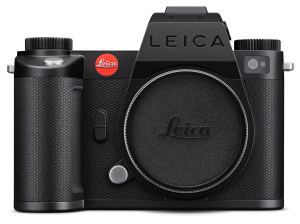
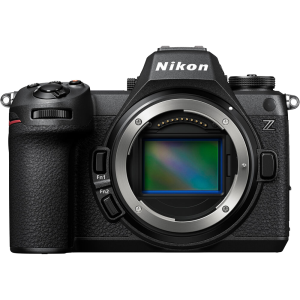
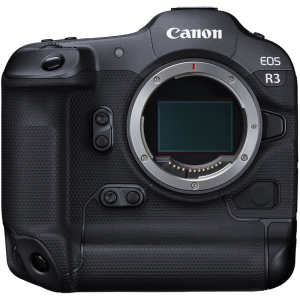
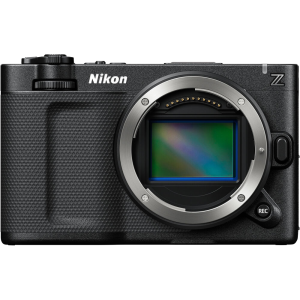
Cameras with similar specs to the Sony FX5
Ratings & reviews
No reviews yet. Be the first to share your experience.
The bottom line
The Sony FX5 earns a VS Score of 53, a solid mid-pack result among the 56 cameras we compare here. It stands out for 283,057.14 more max ISO, 47.54 fps more max frame rate (4K) and 116.21 shots more battery life. Just be aware of 17.82 MP less resolution and 20.83 fps less continuous shooting before you buy. Weigh those trade-offs against what matters most to you.
The VS Score is generated automatically from the weighted specifications above, measured against all other cameras in our database. Treat it as a shortlisting guide — not a substitute for your own priorities.